


For many aircraft owners, an avionics upgrade begins with aging equipment or an obsolete system that needs replacing. For Steve Nunn, Vice President, Business and Corporate Development at Maverick Aviation Group (owners of Maxcraft), the story began somewhere else: his mission had changed. Steve was travelling more frequently for both business and pleasure. His Cessna 206 Amphib had served him well, but it was becoming limiting for the kind of travel he wanted to do. The next aircraft needed to be a true high-altitude IFR machine – efficient, capable, and well suited to longer business and personal trips.
The Piper PA-46 Malibu was a natural fit. Steve considers the PA-46 one of the most efficient aircraft in its class, and he knew the platform well: Maxcraft specializes in the PA-46 airframe, and Steve sits on the board of the Piper M-Class Owners & Pilots Association (PMOPA). N80ZZ was an early-production Malibu that had been well cared for by shops familiar with the type. It had good bones, a sound engine and excellent paint, along with a few known snags and an interior and avionics suite ready for modernization. In other words, it was the ideal starting point.
The Aircraft and Operational Mission
N80ZZ became Steve’s new multi-mission travelling aircraft, but finding the right airframe was only the beginning. The goal was not simply to acquire a different airplane; it was to build a capable travelling platform for regular business and personal use, with the high-altitude IFR capability the mission demanded.
Having already worked with Maxcraft on his Cessna 206, Steve knew what a thoughtfully designed modern avionics package could bring to an aircraft. With the Malibu, there was an opportunity to take that concept considerably further.
Why the Upgrade Was Necessary
The objective for N80ZZ was to create a modern, integrated flight deck rather than simply replace individual pieces of equipment. Navigation, flight instrumentation, engine information, traffic, weather, communications, connectivity and automatic flight control all needed to work together as one cohesive system – supporting safe, reliable single-pilot IFR operations.
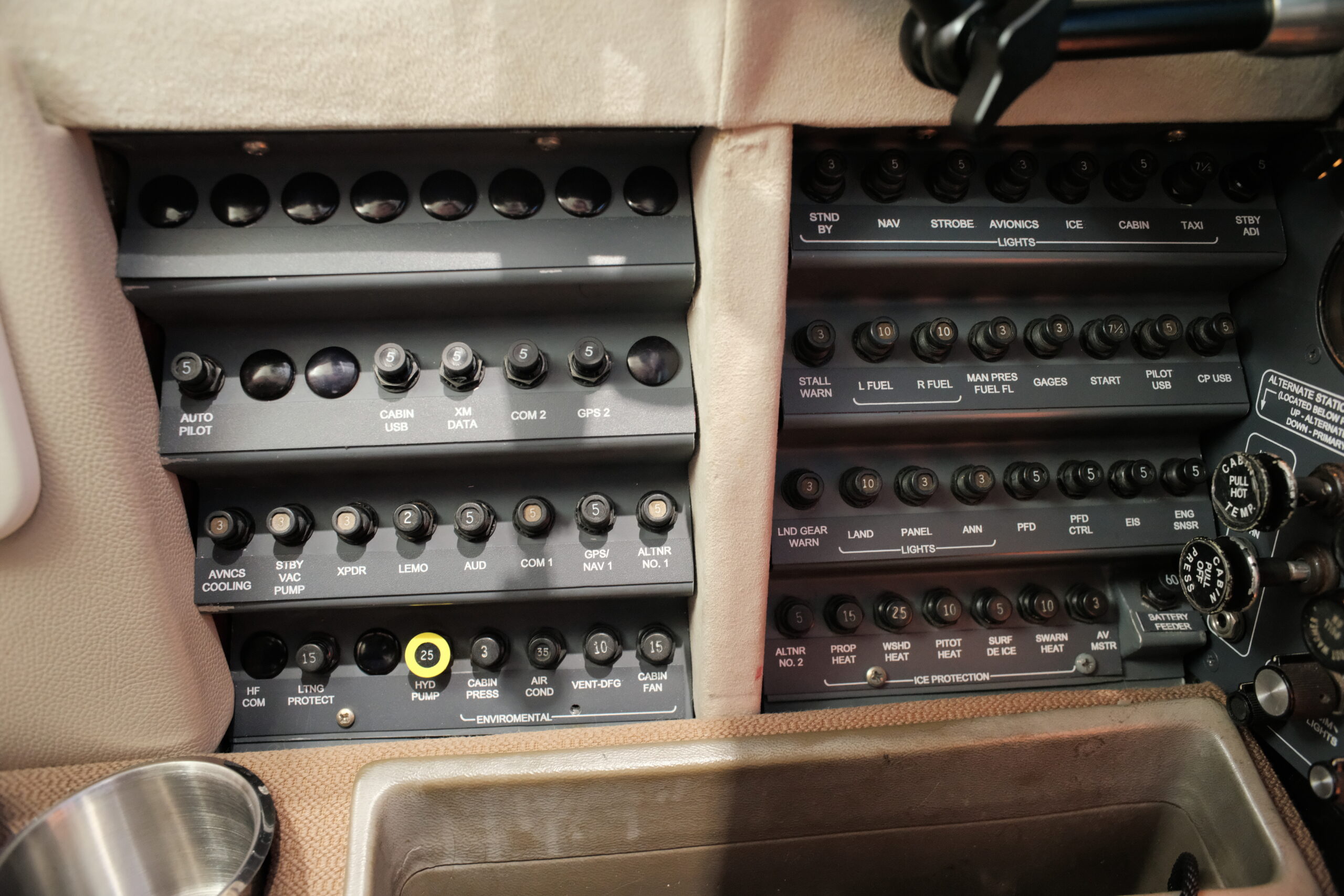
Just as important, the cockpit had to be designed around the pilot. Displays, controls, switches and placards were all reconsidered as part of a completely new panel layout.
The Solution: A Fully Integrated Garmin Flight Deck
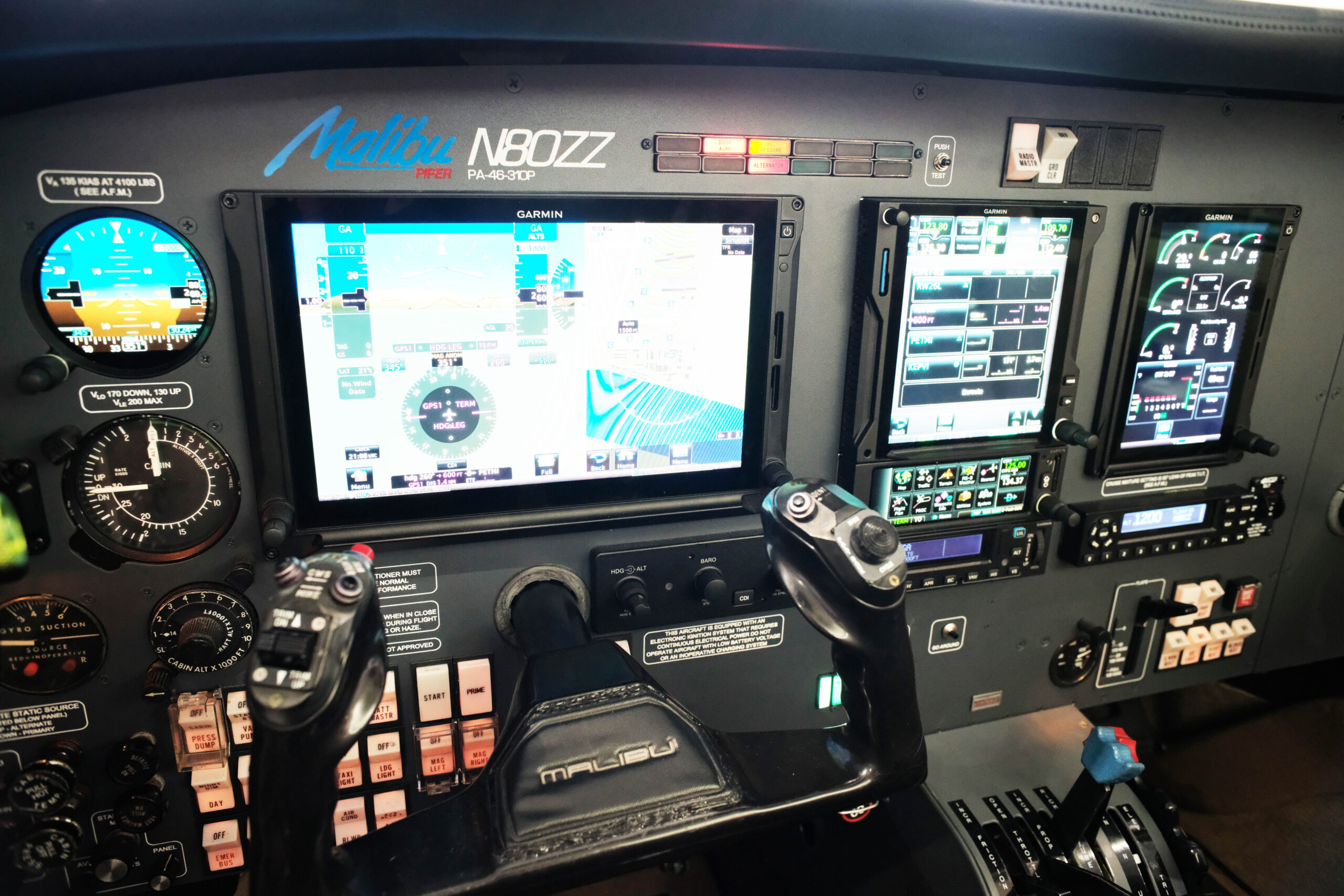
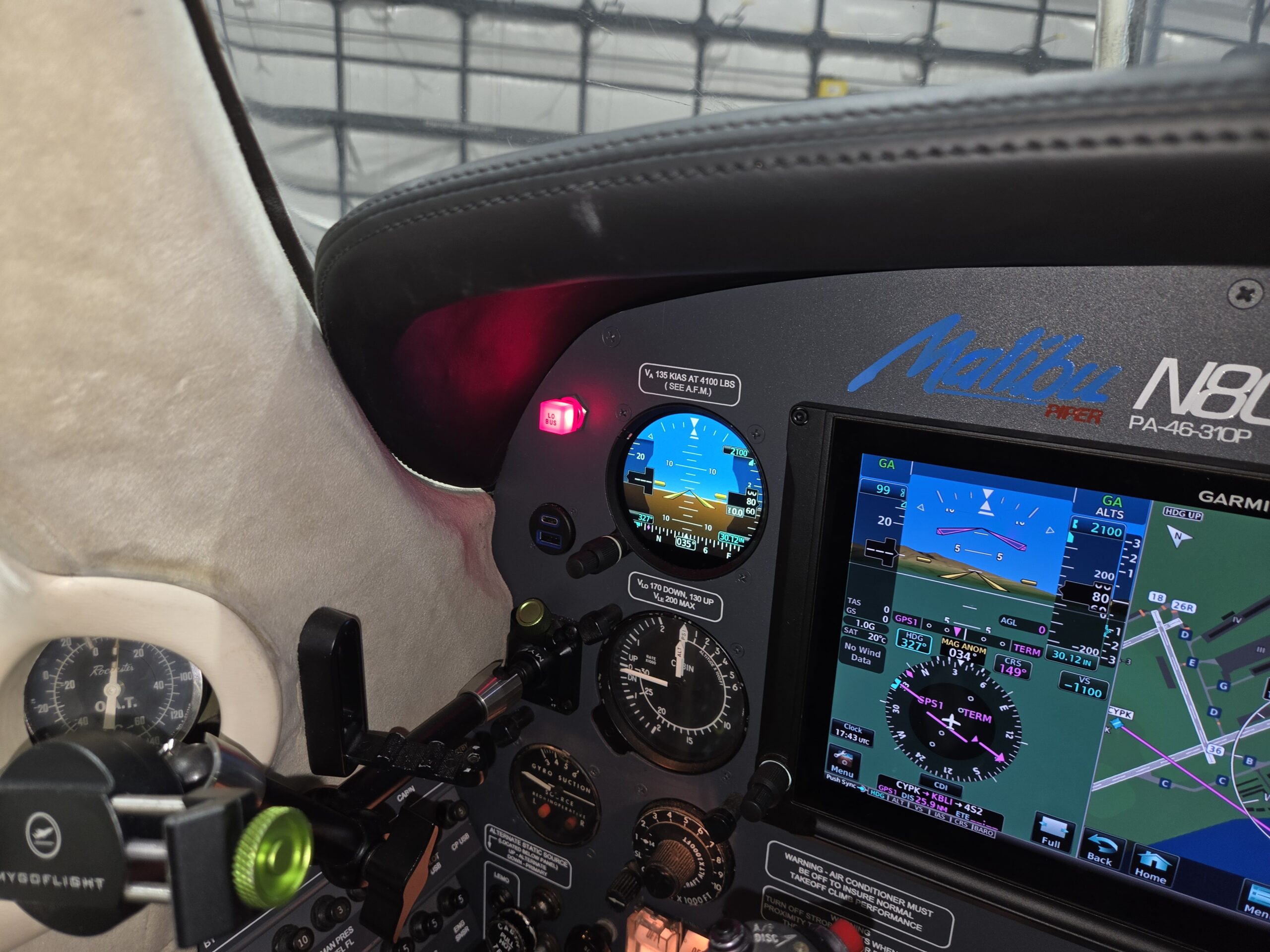
Maxcraft designed an extensive Garmin-based avionics package around a G500 TXi primary flight display with Synthetic Vision. A GTN 750Xi serves as the primary touchscreen navigator and multifunction display, complemented by a GNC 355 GPS/COM.
Flight Stream 510 adds wireless connectivity such as Bluetooth connection to a mobile device for 2-way flight plan transfer and WiFi for database concierge, while a remotely mounted GMA 35C digital audio panel integrates the aircraft’s audio functions. The installation also incorporates Smart Glide and a GI 275 as the independent backup flight instrument.
Engine information is presented on a dedicated 7-inch TXi Engine Indication System. A GTX 345D ADS-B diversity transponder supports traffic awareness, while a GDL 69A adds SiriusXM weather and audio. A GFC 600 digital autopilot completes the major flight-control upgrade.
Major Avionics Upgrades
- Garmin G500 TXi – Primary Flight Display with Synthetic Vision and GCU 485 controller
- Garmin GI 275 – Electronic Standby flight Indicator
- Garmin GTN 750Xi – GPS/NAV/COM/ multifunction display with Smart Glide and Flight Stream 510 connectivity
- Garmin GNC 355 – GPS/COM
- Garmin GMA 35C – Remote Digital Audio Panel
- Garmin G500TXI 7-inch EIS – Engine Indication System
- Garmin GTX 345D – ADS-B Diversity Transponder
- Garmin GFC 600 – 3-axis Digital Autopilot
- Garmin GDL 69A – SiriusXM Weather/Audio Receiver
- High-power USB charging – Front and rear
- Garmin GSB 15 Dual USB-C – Pilot
- Mid-Continent charging installations
- TA360 – Dual A/C, co-pilot panel, Starlink capable
- TA245 – Dual USB-C, right-rear passenger position, Halo
- TA360 – Single USB-C, left passenger position, Starlink capable
The MaxPanel
Installing sophisticated avionics is only part of designing a great cockpit. How those systems are positioned, presented and accessed by the pilot is equally important.
Maxcraft fabricated an entirely new instrument panel for N80ZZ. Considerable attention went into the placement of displays, controls and placards, resulting in a clean, balanced and ergonomic MaxPanel designed around the pilot’s workflow.
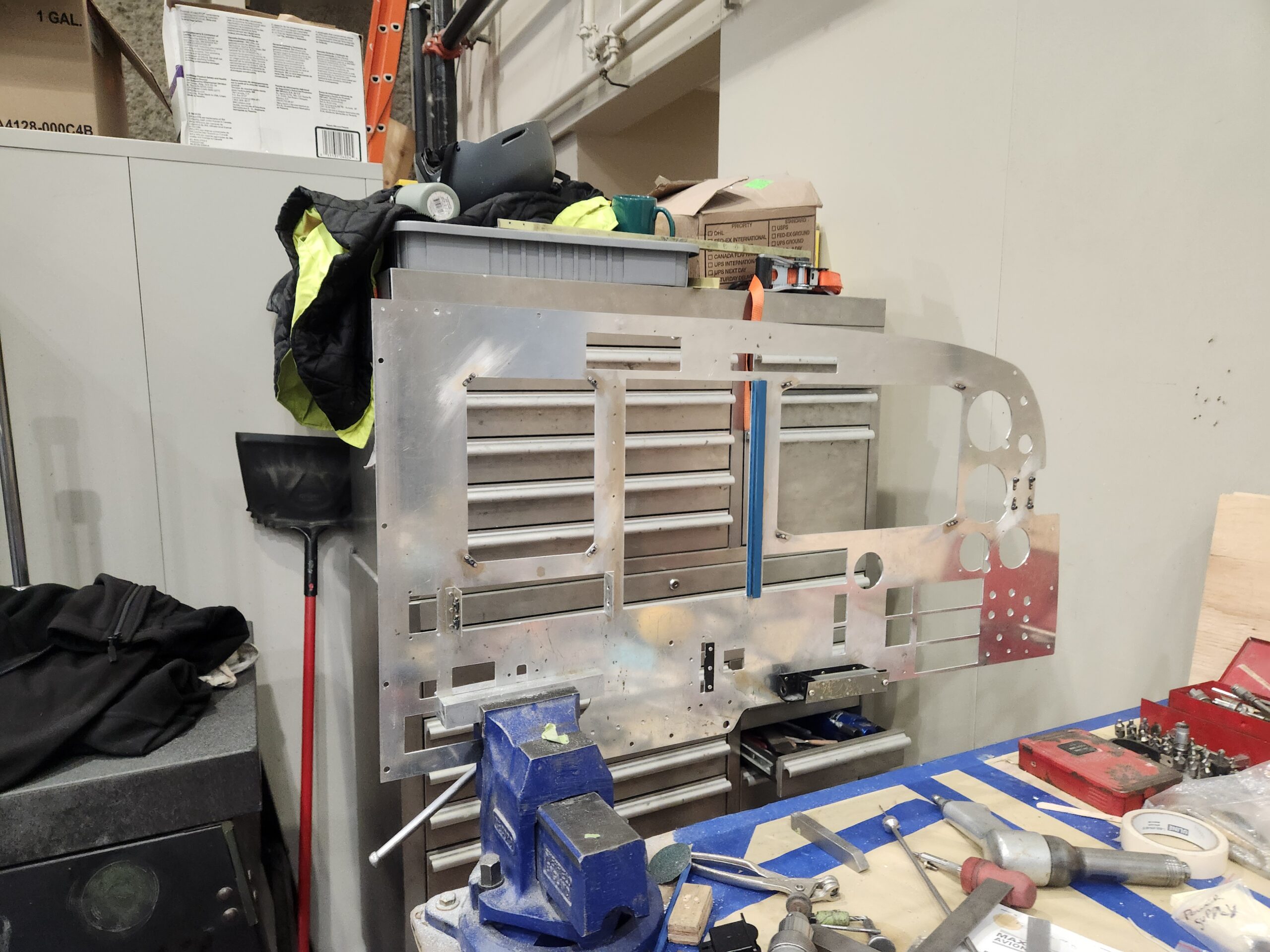
Engineering Behind the Panel
A project of this scope on a pressurized aircraft involves considerably more than mounting new equipment in the instrument panel. Because N80ZZ is U.S.-registered, Maxcraft worked with a U.S. Designated Engineering Representative (DER) to obtain approval for the antenna pressure-vessel penetrations required by the installation.
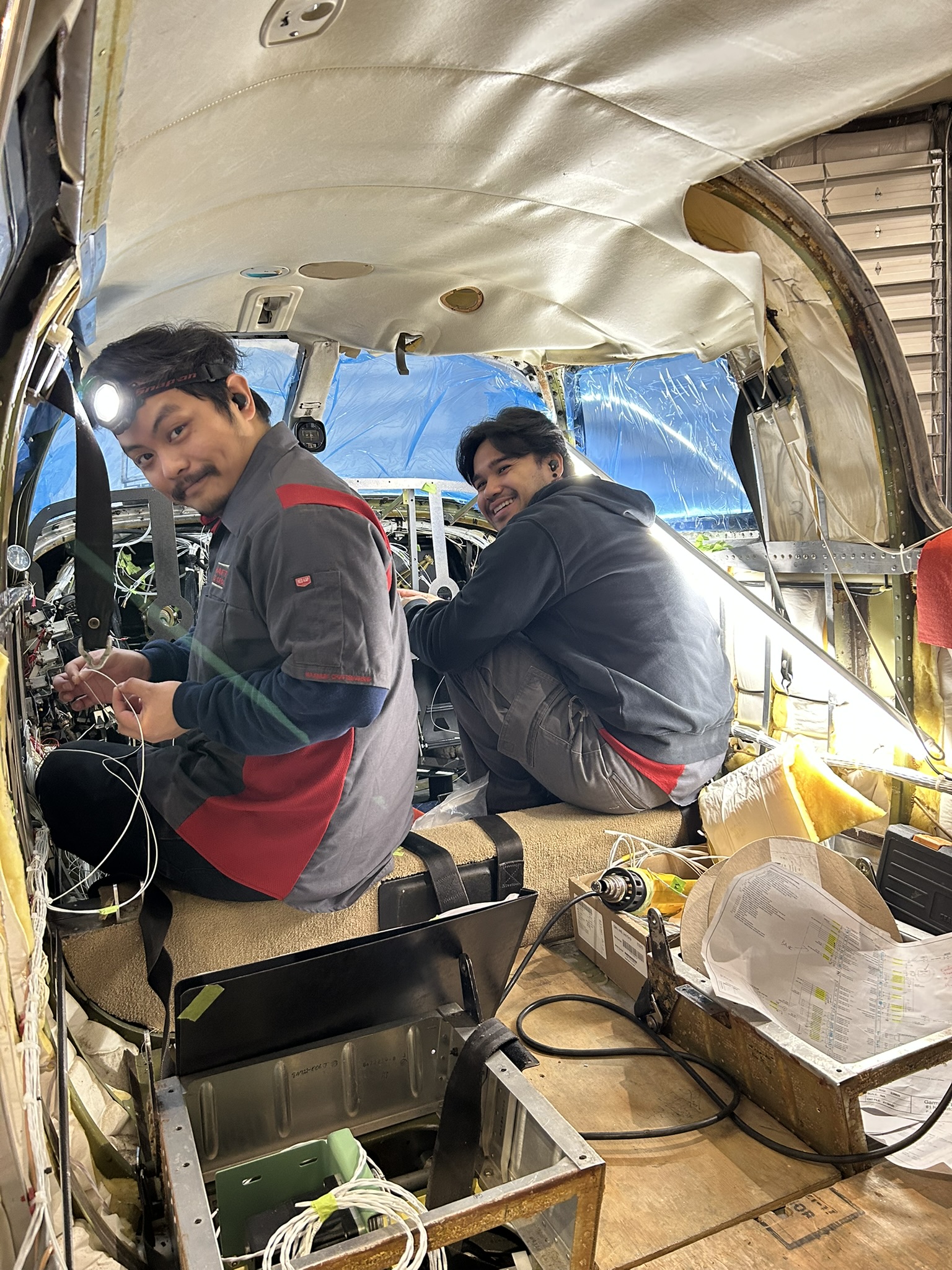
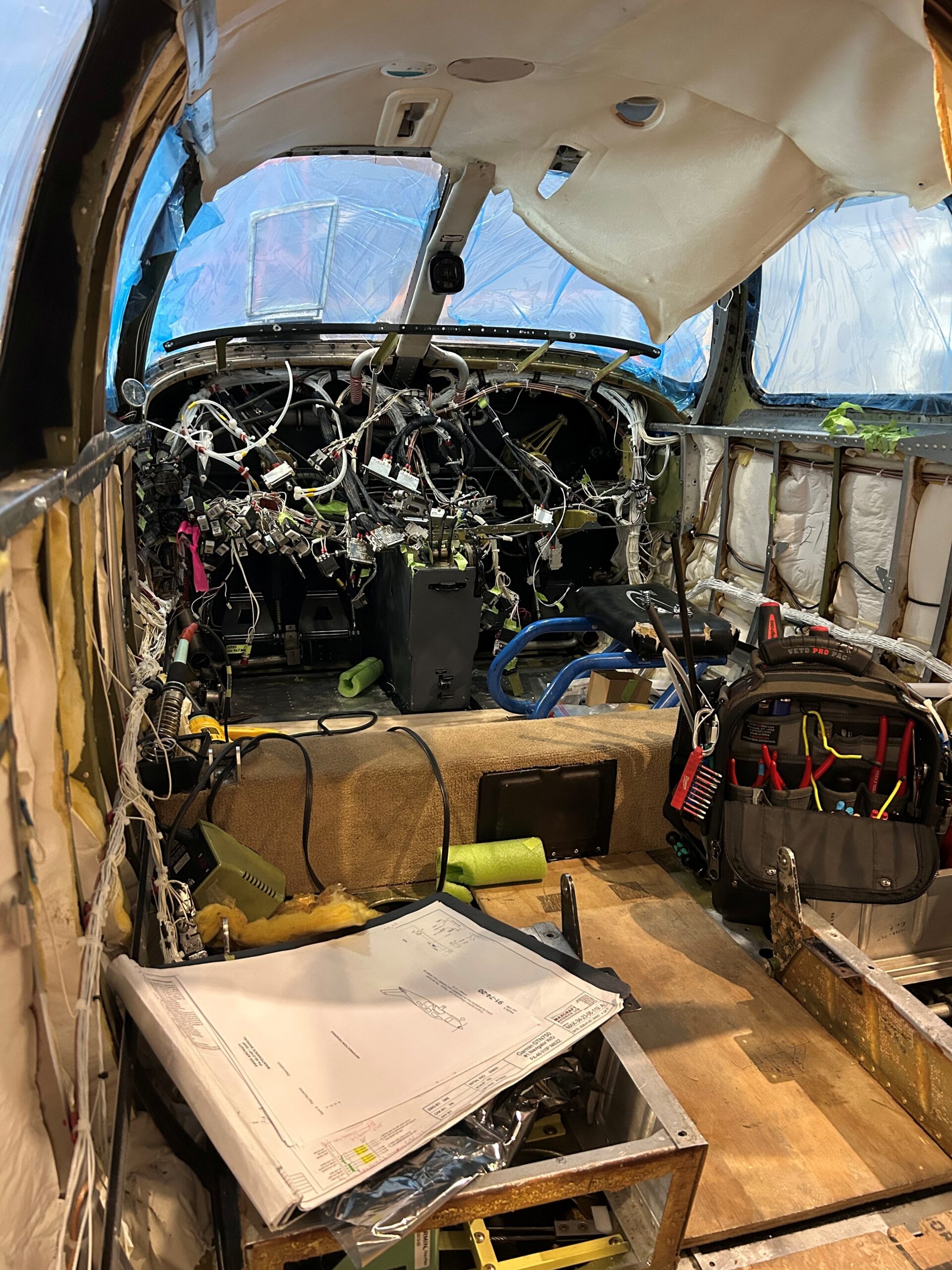
The installation photos reveal the scale of the work hidden behind the finished cockpit: access opened throughout the aircraft, interior components removed where necessary, and the original panel and wiring exposed so the new systems could be properly integrated, tested and documented.
-
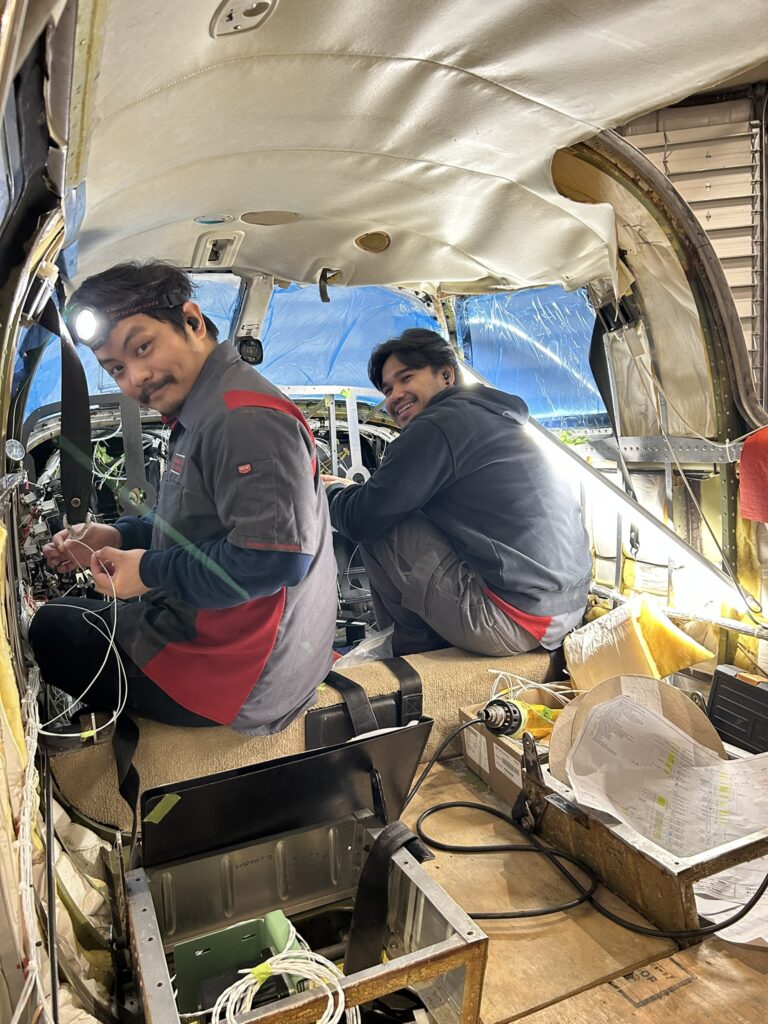
- Installation, access and integration work inside the Malibu.

Interior Work
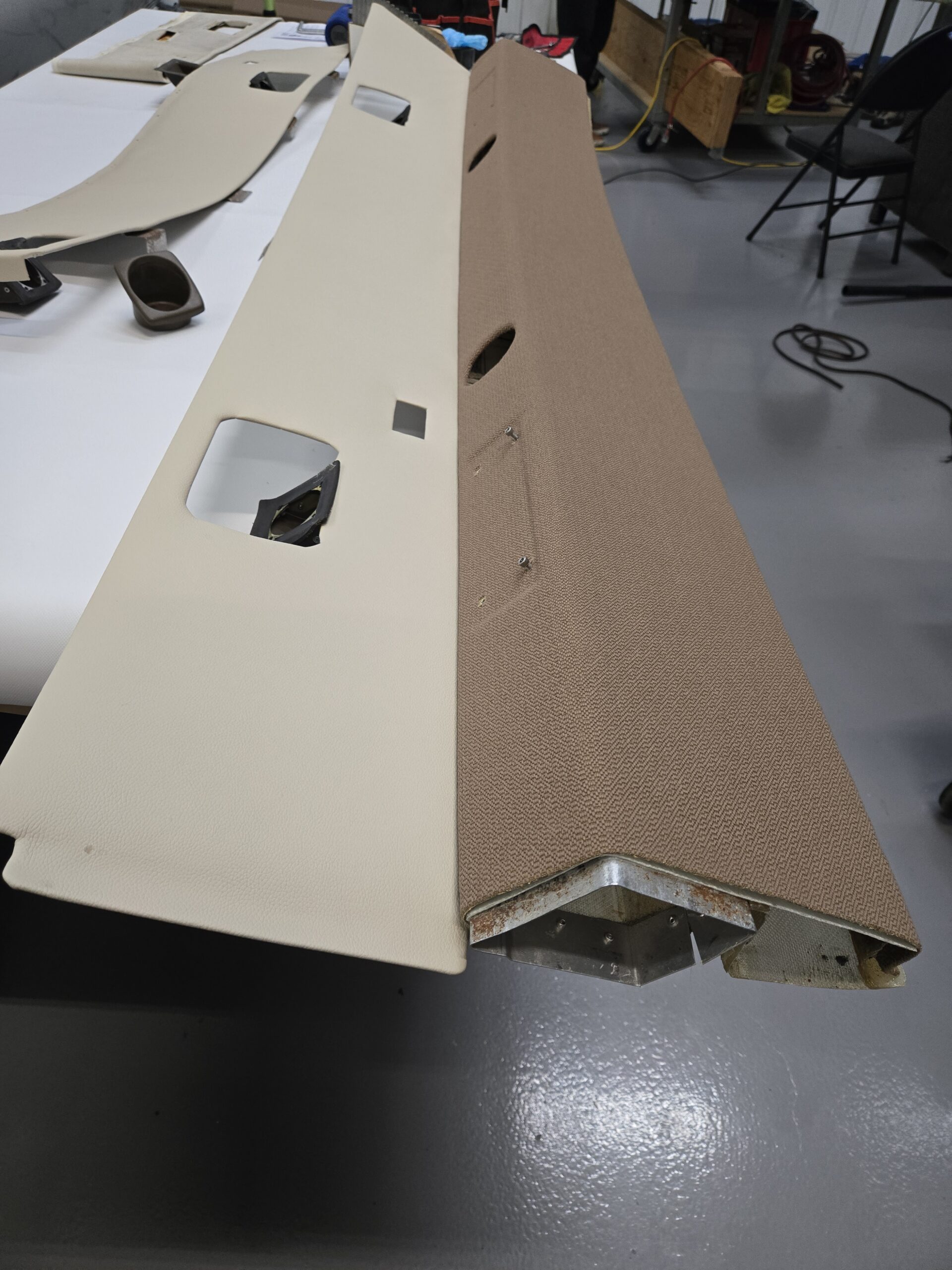
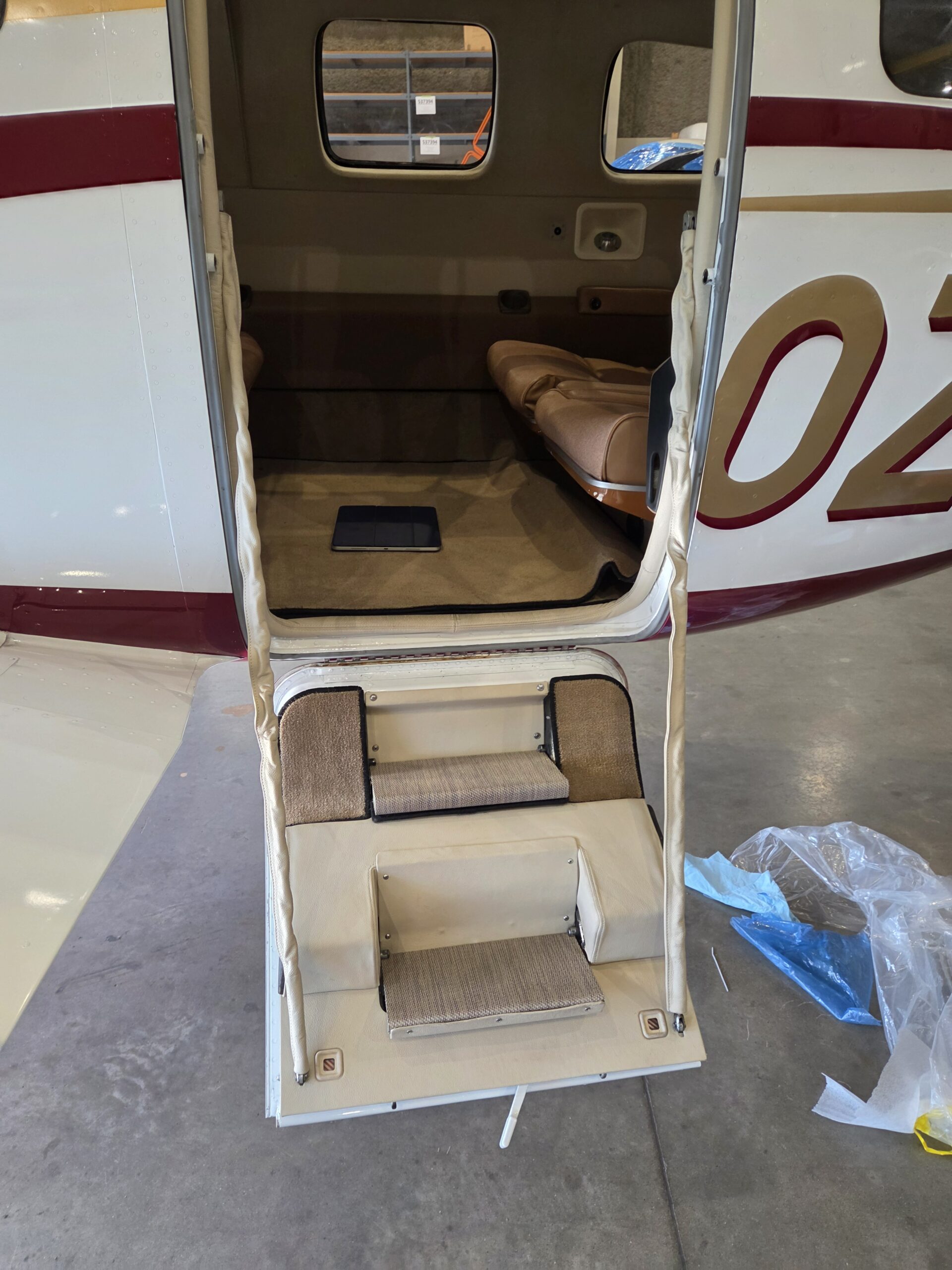
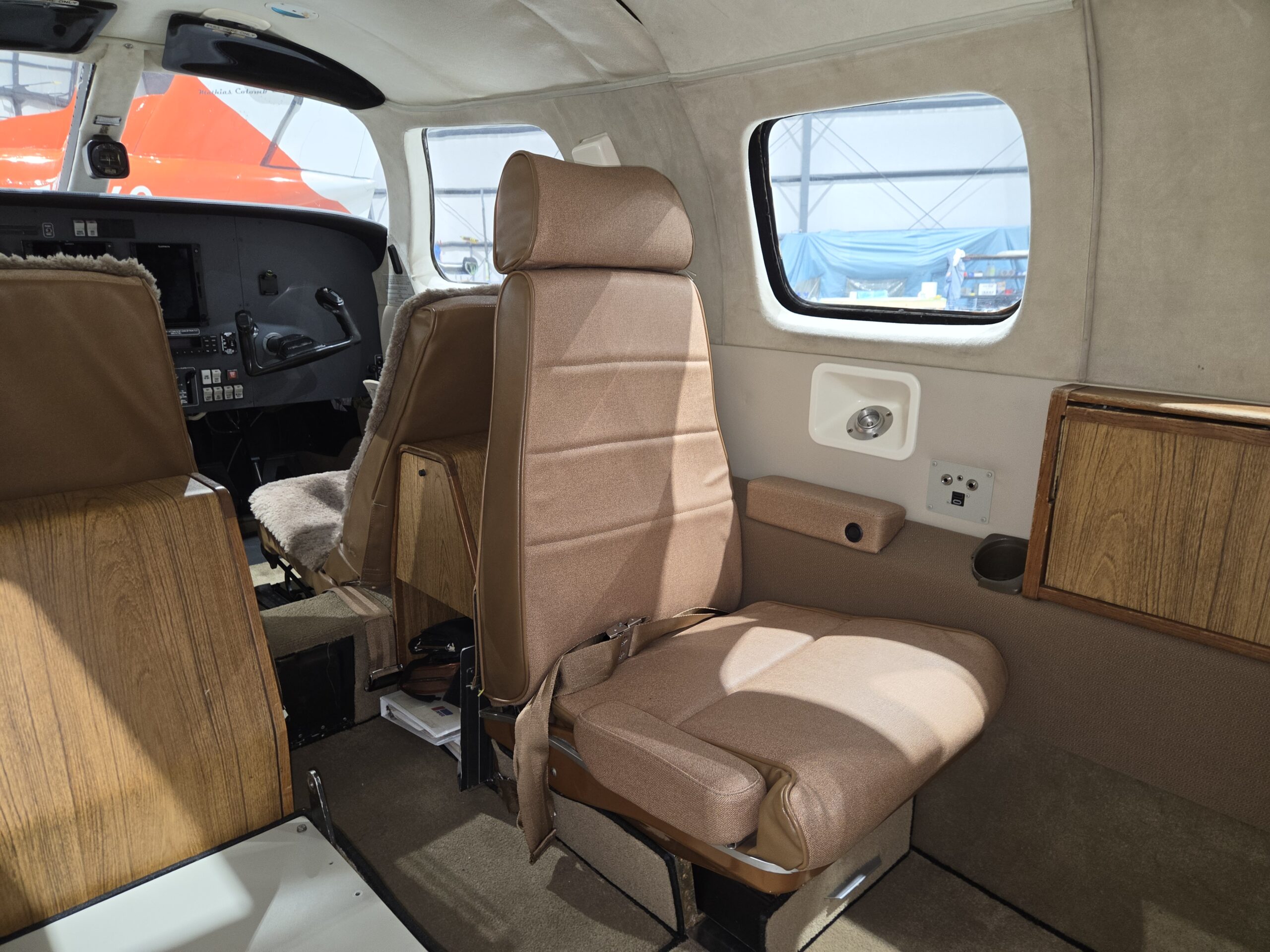
The interior was the part of the aircraft that most clearly showed its age and hours. Fred from Port Aircraft Interiors worked with Maxcraft to modernize selected areas. Rather than replacing everything, the team concentrated on worn or visually dated components, improving the cabin while keeping the scope – and the upgrade cost – under control.
- New padding for the pilot seats, finished with sheepskin covers
- Repaired fiberglass heating and air-conditioning ducting
- Leather-covered side panels
- Steam-cleaned Ultrasuede window surrounds
- Rebuilt glareshield, recovered in leather with a French double-stitch accent
- Rebuilt and recovered airstair door structure
The Story
One of the most interesting things about N80ZZ is that this was not Steve’s first Maxcraft project. His previous Cessna 206 had already demonstrated what a carefully planned avionics modernization could accomplish. As his flying evolved, however, the mission eventually grew beyond what the 206 could provide.
The Malibu represented the next step. Once the decision was made to move into a high-altitude IFR platform, the project became an opportunity to create a cockpit around Steve’s new mission rather than simply update an old panel.
That philosophy shaped the complete installation: primary flight display, navigation, autopilot, traffic, engine indication, weather, connectivity, charging capability, panel ergonomics and carefully selected interior improvements.
Behind the finished result was a significant amount of work. The installation photographs show the aircraft opened for access, with technicians working throughout the cockpit and cabin to integrate the new equipment. Once complete, that complexity disappears behind a clean, purpose-built panel – exactly as it should.
Looking Ahead
The finished Malibu gives Steve the high-altitude IFR capability he was looking for, paired with a modern avionics suite designed around how he intends to use the aircraft.
For Maxcraft, N80ZZ is also a working demonstration of the technology we recommend to our customers. We do not just install these systems – we fly with them ourselves. The aircraft will support reliable customer visits, demonstration flights and appearances at trade shows, giving customers the opportunity to see the technology operating in a real-world PA-46.
“This is the second aircraft Maxcraft has updated for me, following the extensive work we completed on my Cessna 206. Having been involved with both projects from the owner’s side as well as working within the company, I’ve had a unique opportunity to see just how much thought and effort goes into an installation like this. With the Malibu, we had the chance to start with a good airframe and build the panel around the way I actually intend to fly the aircraft. I was involved in the details throughout the project, and I’m extremely pleased with the result. It’s a modern, capable cockpit that makes the Malibu an even better travelling aircraft—and it’s something our entire team can be proud of.”
Steve Nunn
Vice President, Business and Corporate Development
Maverick Aviation Group